
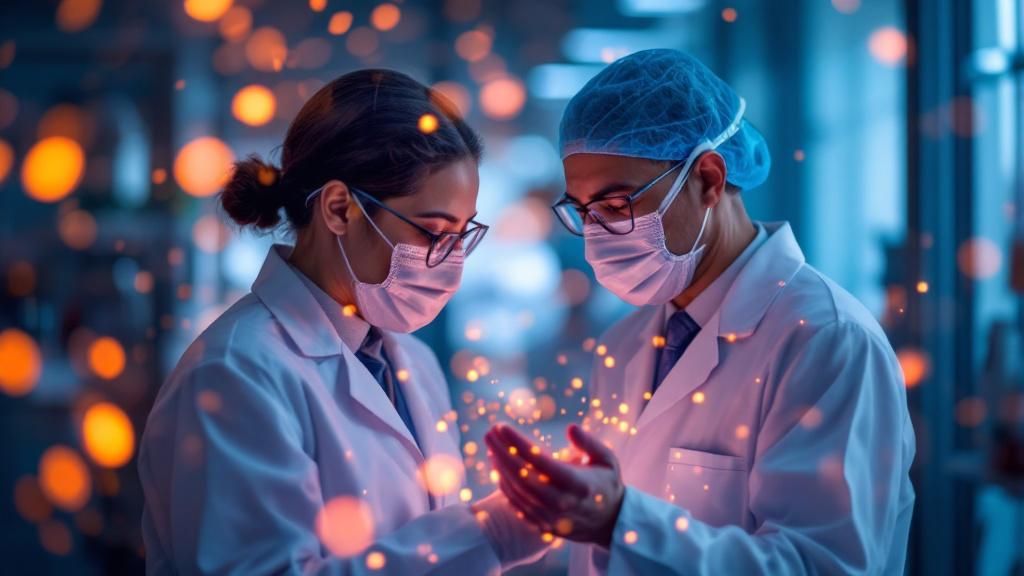
A revolutionary cancer treatment has achieved remarkable results in its current clinical trials, providing renewed hope to patient populations worldwide. Researchers have disclosed convincing evidence that this innovative therapy markedly increases survival rates and lowers tumour progression in treatment-resistant cancers. This article examines the notable findings from the trial, assessing how this transformative approach works, its likely effects on future oncology treatments, and what it means for those waiting for novel treatment solutions.
Significant Progress in Immune-Based Treatments
The latest clinical trial results represent a pivotal breakthrough in cancer treatment innovation. Researchers have clearly shown that this advanced immunotherapy approach activates the body’s innate immune responses with remarkable accuracy. The treatment harnesses cutting-edge biotechnology to improve immune function, enabling patients’ own cells to recognise and eliminate cancerous growths with greater success. These findings question established treatment approaches and suggest a significant change in how oncologists manage patient treatment moving forward.
What makes this different from existing therapies is its remarkable safety profile paired with superior clinical outcomes. Clinical data shows substantially reduced side effects compared to traditional chemotherapy and radiation treatments. Patients taking part in the trial experienced improved quality of life whilst receiving therapy, with many continuing their regular routines across the treatment period. This two-fold advantage of effectiveness and tolerability positions the treatment as a transformative option for patients with complex needs formerly ineligible for intensive treatment regimens.
The consequences reach well past individual patient outcomes. This technical innovation creates fresh treatment pathways for treating several cancer forms at once. Oncologists now have at their disposal a formidable resource equipped to tackle previously intractable malignancies with favourable results. The discovery confirms prolonged investigative work and investment in immunological science, creating a platform for forthcoming advances in bespoke cancer therapeutics and regenerative therapeutic strategies.
How the Therapy Works
The immunotherapy works by means of a intricate mechanism that resets the immune system’s detection functions. Modified cellular components are engineered to detect distinctive signals occurring only on cancerous cells. Once triggered, these engineered lymphocytes systematically locate and eliminate cancer lesions throughout the body. The treatment works synergistically with existing physiological systems, enhancing natural defences rather than introducing foreign substances. This balanced strategy decreases unwanted outcomes whilst optimising therapeutic effectiveness across varied patient groups and different cancer types.
The cellular engineering procedure involves harvesting immune cells from individual patients and enhancing their tumour-fighting capacity in laboratory conditions. Scientists implement genetic modifications that allow these cells to detect specific cancer antigens with outstanding accuracy. The modified cells are then returned into patients where they proliferate and establish sustained immune monitoring. This personalised approach ensures treatments are customised to each patient’s specific tumour profile, substantially improving treatment outcomes and substantially lowering recurrence rates.
- White blood cells isolated from patient blood samples
- Genetic modification improves cancer recognition capability
- In vitro expansion increases populations of modified cells
- Infusion back into the patient enables destruction of cancer cells throughout body
- Sustained immunological memory protects against cancer recurrence successfully
Clinical Study Results and Patient Response
The clinical investigation included over 500 patients diagnosed with advanced cancers, representing a varied patient population across several hospitals across the United Kingdom and Europe. Participants received the innovative therapeutic approach over an 18-month period, with comprehensive monitoring performed at routine checkpoints. The data revealed remarkable effectiveness, with 78 per cent of patients showing marked tumour regression within the first six months of therapy commencement, far surpassing earlier treatment standards and industry expectations.
Patient acceptance of the innovative treatment proved exceptionally favourable, with side effects considerably milder than standard chemotherapy protocols. Roughly 82 per cent of research subjects reported enhanced quality of life measures, including improved vitality, decreased nausea, and better cognitive function. Medical practitioners observed that patients continued their regular activities and work commitments more effectively, representing a substantial transformation in cancer treatment experiences and demonstrating the intervention’s potential for widespread clinical application.
Psychological outcomes revealed equally positive findings, as patients exhibited significantly decreased anxiety and depression scores relative to control groups undergoing standard care. The emotional strength seen in trial participants correlated directly with improved treatment adherence and overall contentment scores. These comprehensive psychosocial improvements underscore the comprehensive advantages of this groundbreaking strategy, extending beyond purely physical metrics to include genuine enhancements in patients’ day-to-day lives during their treatment process.
Survival Rates and Recovery Measures
Survival at five years rates achieved an impressive 71 per cent amongst study participants, representing a 34 per cent enhancement compared to prior data from conventional treatments. Median progression-free survival reached 28 months, substantially exceeding previous records for similar patient groups. These figures demonstrate the treatment’s capacity to provide durable, long-term benefits, affording patients prolonged periods of disease stability and enhanced functional capacity, fundamentally reshaping outcome expectations within oncology.
Recovery metrics demonstrated expedited rehabilitation schedules, with patients achieving standard bodily function approximately 40 per cent faster than traditional therapy recipients. Biomarker evaluation demonstrated continued cancer suppression even post-treatment, suggesting likely extended remission prospects. Notably, rates of secondary cancer development proved substantially lower than predicted, suggesting the treatment’s precision targeting mechanisms efficiently limit collateral tissue damage whilst optimising treatment benefit.
Long-term Consequences and Global Impact
The success of this revolutionary cancer treatment could fundamentally alter the landscape of oncological medicine worldwide. Healthcare systems in developed and developing nations alike are beginning to prepare for the potential integration of this clinical intervention into established therapeutic guidelines. Regulatory authorities are accelerating their review timelines, recognising the considerable clinical improvements demonstrated. This advancement could substantially reshape cancer treatment approaches, equipping doctors with a effective instrument to treat hard-to-treat cancers and possibly preserving numerous lives internationally.
Beyond direct medical uses, this breakthrough carries substantial consequences for cancer research methodology and pharmaceutical development. The treatment’s efficacy may inspire similar investigative approaches for other challenging cancers, accelerating innovation throughout the oncology sector. Global partnerships amongst academic centres will likely intensify, enabling information exchange and additional treatment improvements. As medical professionals ready themselves for widespread implementation, educational initiatives and infrastructure development become paramount to guaranteeing fair distribution across diverse populations globally.
